We look for stories in which courage costs something and goodness is worth defending. There is room here for wonder, humor, and the pleasure of spending an evening with a good book.
An epic to settle into and reflections to take slowly.
Courage & mercy
The Lord of the Rings
J. R. R. Tolkien
What draws me to Tolkien is that being a good person actually costs something. These characters are frightened, exhausted, and sometimes badly tempted, but their choices still matter. Showing mercy or staying beside a friend can be as important as winning a battle. That’s the kind of heroism I appreciate.
I also love the sense of a world worth spending time in. The forests, old ruins, songs, and ordinary comforts give you reasons to care about what everyone is trying to protect. You understand why someone would want to get home to a garden and a decent meal.
It takes its time, and you have to want that kind of book. For me, getting attached to the place and the people is a large part of the appeal.
For evenings when you want to settle into a whole world.
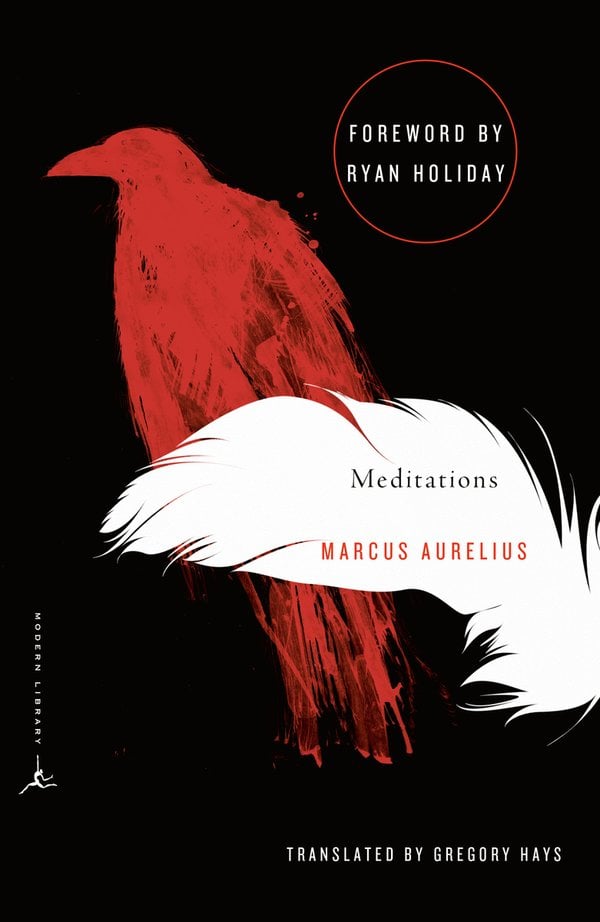
One of the things I like about this book is that Marcus is clearly still working on all of it himself. He keeps needing reminders about patience, responsibility, and how much attention to give other people’s opinions. Apparently, being a Roman emperor didn’t sort all of that out.
I appreciate that gap between understanding something and actually living by it. You can know perfectly well that getting irritated won’t help and still get irritated. There’s something useful about watching someone keep returning to the question of how he wants to behave.
My criticism is that the repetition can start to blur together if you read too much at once. I think it works better a few pages at a time, with a little room to consider whether you agree—and what following the idea would actually require of you.
I have some sympathy for Bilbo wanting to stay home. A comfortable chair, a stocked pantry, and an afternoon without a dragon are perfectly reasonable things to appreciate.
What I like is that his love of comfort exists alongside a courage he hasn’t had much reason to discover yet. As the journey goes on, he becomes someone his companions can depend on. He also develops enough confidence in his own judgment to disagree with them when it matters.
That last part means something to me. Loyalty can include telling your friends they’re making a mistake. There’s a good deal of character underneath the adventure, and the humor keeps it enjoyable. This is where I’d start if you want to spend some time in Tolkien’s world without taking on the whole of The Lord of the Rings.
Start here if you want a shorter visit to Middle-earth.
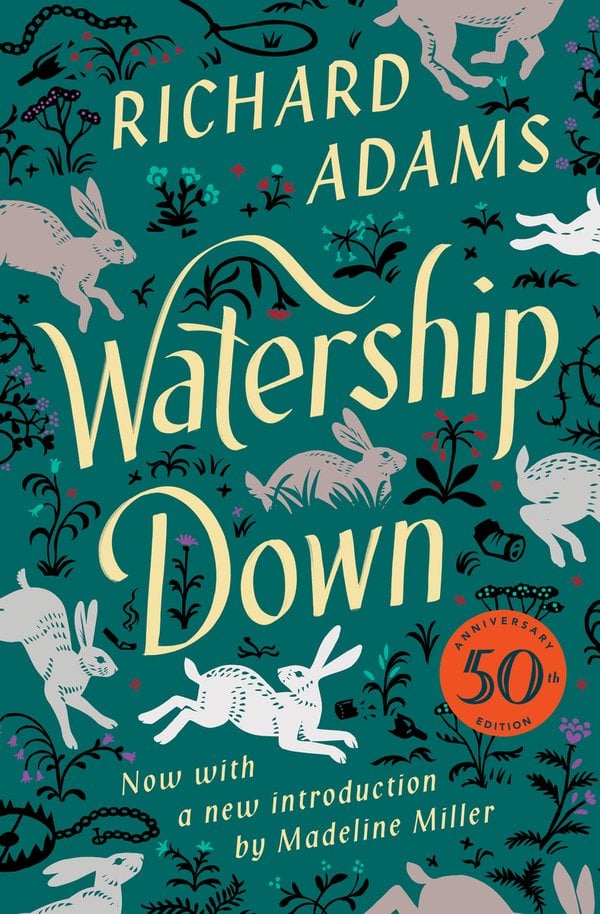
The rabbits are trying to do something fairly understandable: get somewhere safe and build a life there. That gives the whole adventure a purpose I can get behind.
Hazel’s way of leading is a large part of the appeal for me. He pays attention to what the others can offer, including the ones who are easy to dismiss. I respect that kind of judgment. A group becomes much more capable when someone notices the useful idea coming from the least impressive person in the room.
I also like how much of a world Adams builds out of fields, woods, and hedgerows. The rabbits have their own stories and ways of understanding things. There’s enough depth to settle into, and the friendships give you a reason to care about where they end up.
For a substantial adventure rooted in the English countryside.
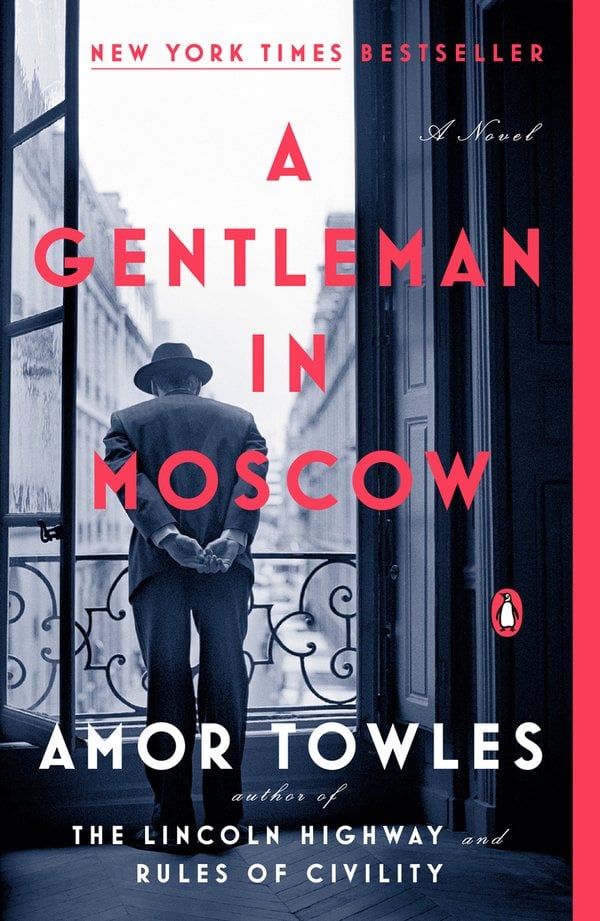
I’m interested in what someone does when the life they expected is suddenly unavailable. Count Rostov is confined to a Moscow hotel, with years ahead of him and very little say about the boundaries of his world.
What appeals to me is how seriously the novel takes the life he builds inside those boundaries. Friendships, meals, conversations, and the responsibility of caring for someone all become substantial things. I appreciate a book that gives ordinary pleasures that much attention. They deserve some room in a life, even when the larger circumstances are difficult.
Rostov’s wit helps, too. You want good company if you’re going to spend this much time in one hotel. It’s a leisurely book, and I’d choose it when I felt like getting attached to the people and their routines.
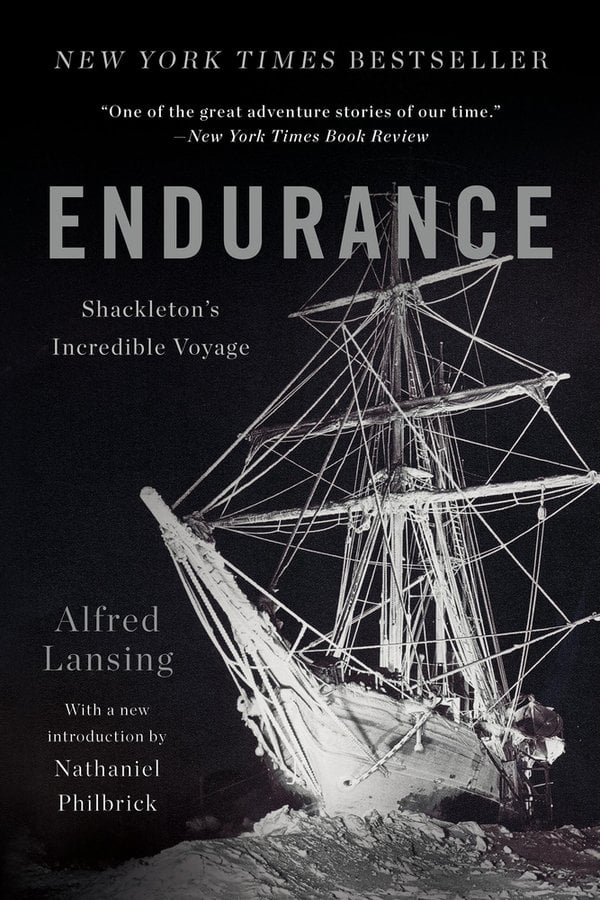
Shackleton sets out to cross Antarctica. Then the ice traps and crushes his ship, and the people who trusted him are stranded. Whatever he hoped the expedition would do for his reputation has become a much less interesting question than how to get everyone home.
That change in responsibility is what draws me to this story. I respect the ability to recognize when an ambition has to give way to the people depending on you. Letting go of the original plan can take a fair amount of courage itself.
The practical decisions interest me as much as the extraordinary conditions. People are cold, tired, and uncertain, and someone still has to decide what happens next. It raises a question I think is worth considering: when is persistence helping, and when has it become an unwillingness to admit the plan needs to change?
Narrative nonfiction that moves like an adventure story.
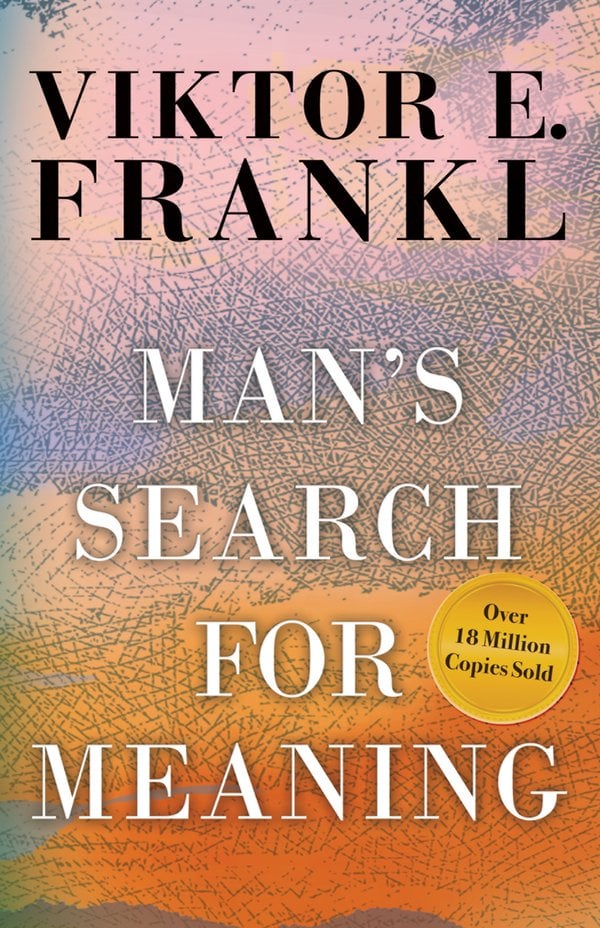
The question that draws me to this book is what a person can still care about when so much has been taken out of their hands. Frankl approaches it through his experiences in Nazi concentration camps and the ideas he developed about meaning.
I appreciate how much weight he gives to love and responsibility. Having someone you care about, or something you still feel responsible for, can give the question of how to go on a very personal answer. There’s substance there that I think deserves careful thought.
His account of imprisonment is the part I’d put at the center of the recommendation. The later explanation of his approach is more clinical, though it helps show how the experiences and the ideas connect. I’m most interested in the questions the book gives you to consider about your own commitments.
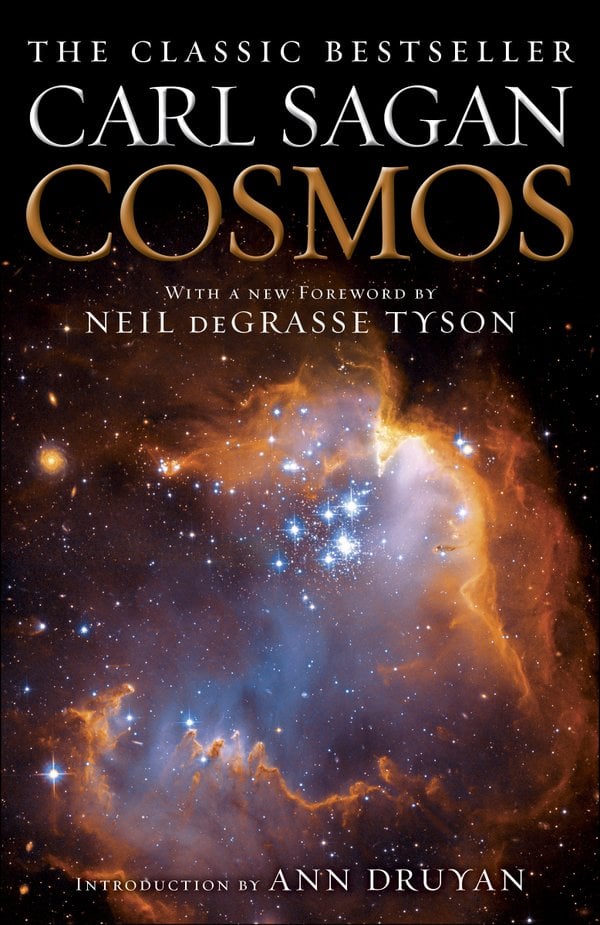
I like science writing that leaves me with more to notice. Understanding something about a star, a planet, or the history of life gives the wonder somewhere further to go.
Sagan has that kind of curiosity. He follows questions through the people who tried to answer them, including their mistakes and the things they managed to work out with surprisingly little. I enjoy seeing how an idea develops. It gives the discoveries a human story alongside the science.
The scale is part of the appeal, too. There’s something remarkable about being able to think about the age of the universe while standing on this one small planet.
It was first published in 1980, so I’d pair it with newer writing for current science. What makes me want to recommend it is Sagan’s way of looking at the world and inviting you to look more closely yourself.
For an evening when you feel like following your curiosity.
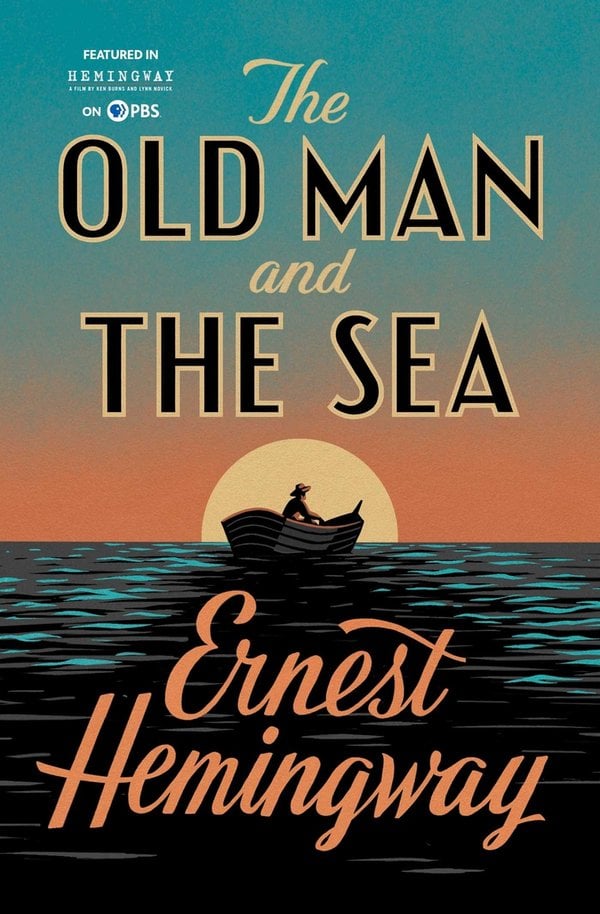
I like that this story gives me something to admire and something to question in the same person. Santiago takes pride in his work, knows his craft, and is willing to endure a great deal to see the struggle through.
There’s dignity in that. There’s also a point where I start wondering how much of his determination is tied to needing to prove something. I find that tension interesting because admirable qualities can become complicated when we carry them far enough.
The simple setup—a fisherman alone in a small boat, struggling with an enormous fish—leaves plenty of room for those questions. Hemingway’s spare writing suits it. I’d take my time with this one, particularly if you’re interested in what an effort can mean when the outcome remains beyond your control.
A short novel to read slowly, with room to think afterward.
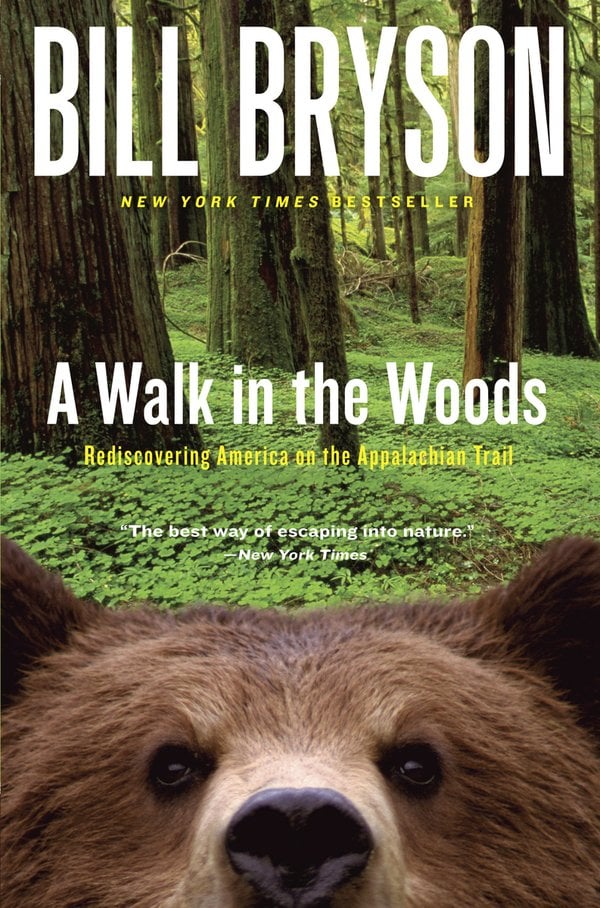
I like the gap between the idea of a grand outdoor adventure and the practical business of carrying your belongings uphill. Bryson and his friend Stephen Katz give that gap plenty of room to be funny.
The wandering is part of the pleasure for me, including the parts where Bryson wanders away from the hike to talk about the trail’s history or the forests around it. I enjoy learning something because an entertaining person has become interested enough to explain it.
Some of his sharper swipes at people appeal to me less than the observations about the trip itself. His affection for the woods, though, gives the complaints something warmer underneath them.
This is a book I like for its company. It can make the woods sound inviting while leaving you quite pleased with your decision to read about them in a comfortable chair.
For an outdoor adventure you can read in a comfortable chair.